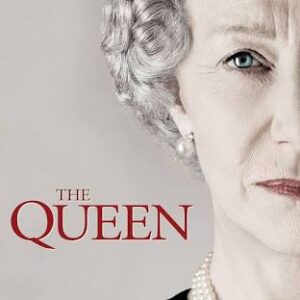
The Queen, written by Peter Morgan, directed by Stephen Frears and starring Helen Mirren and Michael Sheen, is a pitch perfect character study. Anyone interested in writing complex, interesting characters that are fully formed three-dimensional human beings must see this film. The Queen is a masterful example of character development.
The film takes place in August 1997, in the days after Diana (divorced from Prince Charles), dies as the result of a car crash in Paris. At the same time, Tony Blair settles into his new position as Labor Prime Minister. Blair makes a stirring and immensely popular speech in tribute to Diana, no longer the Princess of Wales but forever “The People’s Princess.”
The Queen and Royal Family, at Balmoral Castle for the summer, opt to maintain royal protocol in seclusion. They are publicly silent about Diana’s death. Many people felt Queen Elizabeth acted in a cold and disconnected manner immediately after Diana’s death. They saw her as a villain in Diana’s story. But there are two sides to every story. And…
Every Antagonist is the hero of his or her own story.
Stephen Fears’ brilliant film looks at the story from what was the commonly supposed antagonist’s point of view. We see behind the stiff royal veneer and into the heart of the complex human being that is Queen Elizabeth.
In the film, the Queen has her own emotional journey during the tragic events that ended Diana’s life. She wrestles mightily with her own internal values. Queen Elizabeth makes a leap at the end of the story that requires as much strength and courage as any epic physical battle.
Her action in making that leap defines what it is to be a good leader. In what must have felt like a moment of personal defeat, Queen Elizabeth emerges publicly triumphant, her reign is secure.
General writing note: It is a great exercise to look at how your story might play out from the antagonist’s point of view. What is his or her emotional journey? If it is just a one-note descent into evil, your antagonist is a cardboard cutout rather than a real human being. With what competing internal values does your antagonist wrestle?
ETB Power of Conscience eBook
Buy The Power of Conscience eBook today!
A Complete Character Analysis
Dozens of Examples from
Film and Television
$29.95
Great characters wrestle with competing internal values.
Queen Elizabeth is portrayed as a Power of Conscience character. (In my view of television and film there are Nine Character Types, each with their own internal competing values, worldviews and emotional journeys.)
Power of Conscience characters function as the voice of moral authority in a story. That clearly is how the character of Queen Elizabeth sees her role in the world.
The Queen says repeatedly that dignity, reserve, proper conduct and devotion to duty define the good example that exemplifies her moral authority as a leader.
Her restrained actions in all things are perfectly in sync with her philosophy. Her formality, insistence on protocol, and proper conservative dress physically define who she is and what she represents.
When Diana dies, Queen Elizabeth’s subjects require something more from her. They need emotional solace, personal connection and a sense of shared grief.
Tony Blair suggests that to be a good leader, in this particular moment, Elizabeth must reach out in a way that is the antithesis of how she sees her role and how she defines her own good example and leadership.
His advice flies in the face of everything the Queen believes is right. He suggests that her definition of her duty and what is proper must now give way to the actual needs of her subjects.
Her choice, as presented, is will she serve royal protocol or truly serve her subjects? Blair believes the survival of the monarchy is at stake. Her own survival as a leader is at stake as well.
Great characters have mixed motives.
When Queen Elizabeth returns to Buckingham Palace at Blair’s very insistent recommendation, she sees the angry notes left on the flowers at the palace gates. We watch her begin to comprehend how out of touch she is with the sentiments of her people.
We also see the potential reservoir of good will she can tap, when the little girl offers the bouquet of flowers. After Queen Elizabeth offers to place the bouquet at the gate, her people finally show their respect, by bowing and curtsying as she passes.
Queen Elizabeth sees that she has no moral authority if her subjects dislike and resent her. She cannot be any kind of a leader if her people abandon her emotionally.
Against every instinct that was born and bred in her, against all her past experience and against all the advice given to her by both her husband and mother, Queen Elizabeth makes the speech that she must make to reconnect with her subjects.
Is her leap also an act of personal survival? Absolutely. People rarely have singular motivations in the choices they make. Most motives are mixed. Queen Elizabeth’s choice isn’t any less courageous and requires no less strength for being mixed.
Her action is also a classic paradox of great storytelling. In what Queen Elizabeth views as a moment of personal defeat is, in fact, a moment of public triumph.
She gives her subjects what they truly and deeply need in a time of trouble and turmoil. Her action is the definition of good leadership. She emerges triumphant and we can’t help but love and respect her for it.
General writing note: Actions that spring from motives that are purely noble don’t contain the shades of gray that depict both the shadow and light in every human being. Actions that spring from mixed motivations are much more fascinating to watch. A bit of shadow often makes the light more clearly visible.
A character’s greatest strength is also his or her greatest weakness.
Queen Elizabeth’s sense of decorum, dignity, reserve, devotion to duty and her sure sense of what is right and proper are her greatest strengths as a monarch. These great Power of Conscience qualities helped her lead her people though good times and bad.
In this moment of crisis, however, she relies on these strengths to a fault. These very traits cause her trouble because, in the extreme situation of Diana’s death, they make her appear as if she is cold, lacking in human care or feeling, rigid and inflexible and is simply substituting stiff and stuffy standards of protocol for genuine human connection.
Diana’s death creates the crisis that forces Queen Elizabeth to surrender all those qualities that had been her salvation in the past. The public response Tony Blair suggests would make her feel exposed, open and vulnerable.
The crisis demands she surrender all her strong defenses. By allowing herself to be more open, and therefore more vulnerable, she emerges stronger than ever.
General writing note: Find ways to turn a character’s best qualities against him or her. Explore the dark or troublesome side of your character’s strengths. Discover ways to create a crisis situation that force your character to sacrifice or surrender those qualities.
Make your character take some significant action that makes the character feel open, exposed and vulnerable. Turn that openness and vulnerability into the character’s ultimate salvation.
For more information on how to create the internal dynamic tensions that make characters complex and fascinating order the Character Map eBook.
If you enjoyed this article CLICK HERE to subscribe to Laurie’s Free Newletter and get a Master Class in your Mailbox.
 Decorum as the Highest Duty
The Queen, written by Peter Morgan, directed by Stephen Frears and starring Helen Mirren and Michael Sheen, is a pitch perfect Power of Conscience character study.
Anyone interested in writing complex, interesting characters that are fully formed three-dimensional human beings must see this film. The Queen is a masterful example of character development.
The film takes place in August 1997, in the days after Diana (divorced from Prince Charles), dies as the result of a car crash in Paris. At the same time, Tony Blair settles into his new position as Labor Prime Minister. Blair makes a stirring and immensely popular speech in tribute to Diana, no longer the Princess of Wales but forever “The People’s Princess.”
The Queen and Royal Family, at Balmoral Castle for the summer, opt to maintain royal protocol and mourn in seclusion. They are publicly silent about Diana’s death. Many people felt Queen Elizabeth acted in a cold and disconnected manner immediately after Diana’s death. They saw her as a villain in Diana’s story. But there are two sides to every story. And…
Every antagonist is the hero of his or her own story.
Stephen Fears’ brilliant film looks at the story from what was the commonly supposed antagonist’s point of view. We see behind the stiff royal veneer and into the heart of the complex human being that is Queen Elizabeth.
In the film, the Queen has her own emotional journey during the tragic events that ended Diana’s life. She wrestles mightily with her own internal values. Queen Elizabeth makes a personal leap at the end of the story that requires as much strength and courage as any epic physical battle.
Her action in making that leap defines what it is to be a good leader. In what must have felt like a moment of personal defeat, Queen Elizabeth emerges publicly triumphant, her reign is secure.
General writing note: It is a great exercise to look at how your story might play out from the antagonist’s point of view. What is his or her emotional journey? If it is just a one-note descent into evil, your antagonist is a cardboard cutout rather than a real human being. With what competing internal values does your antagonist wrestle?
Great Characters Wrestle with Competing Values.
Power of Conscience characters function as the voice of moral authority in a story. That clearly is how the character of Queen Elizabeth sees her role in the world. The Queen says repeatedly that dignity, reserve, proper conduct and devotion to duty define the good example that exemplifies her moral authority as a leader.
Her restrained actions in all things are perfectly in sync with her philosophy. Her formality, insistence on protocol, and proper conservative dress physically define who she is and what she represents.
When Diana dies, Queen Elizabeth’s subjects require something more from her. They need emotional solace, personal connection and a sense of shared grief. Tony Blair suggests that to be a good leader, in this particular moment, Elizabeth must reach out in a way that is the antithesis of how she sees her role and how she defines her own good example and leadership. His advice flies in the face of everything the Queen believes is right. He suggests that her definition of her duty and what is proper must now give way to the actual needs of her subjects.
Her choice, as presented, is will she serve royal protocol or truly serve her subjects? What is the higher duty? Blair believes the survival of the monarchy is at stake. Her own survival as a leader is at stake as well.
Great Characters Have Mixed Motives.
When Queen Elizabeth returns to Buckingham Palace at Blair’s very insistent recommendation, she sees the angry notes left on the flowers at the palace gates. We watch her begin to comprehend how out of touch she is with the sentiments of her people. We also see the potential reservoir of good will she can tap, when the little girl offers the bouquet of flowers. After Queen Elizabeth offers to place the bouquet at the gate, her people finally show their respect, by bowing and curtsying as she passes.
Queen Elizabeth sees that she has no moral authority if her subjects dislike and resent her. She cannot be any kind of a leader if her people abandon her emotionally. Against every instinct that was born and bred in her, against all her past experience and against all the advice given to her by both her husband and mother, Queen Elizabeth makes the speech that she must make to reconnect with her subjects.
Is her leap also an act of personal survival? Absolutely. People rarely have singular motivations in the choices they make. Most motives are mixed. Queen Elizabeth’s choice isn’t any less courageous and requires no less strength for being mixed.
Her action is also a classic paradox of great storytelling. In what Queen Elizabeth views as a moment of personal defeat is, in fact, a moment of public triumph. She gives her subjects what they truly and deeply need in a time of trouble and turmoil. Her action is the definition of good leadership. She emerges triumphant and we can’t help but love and respect her for it.
General writing note: Actions that spring from motives that are purely noble don’t contain the shades of gray that depict both the shadow and light in every human being. Actions that spring from mixed motivations are much more fascinating to watch. A bit of shadow often makes the light more clearly visible.
A Character’s Greatest Strength Is His or Her Greatest Weakness.
Queen Elizabeth’s sense of decorum, dignity, reserve, devotion to duty and her sure sense of what is right and proper are her greatest strengths as a monarch. These great Power of Conscience qualities helped her lead her people though good times and bad.
In this moment of crisis, however, she relies on these strengths to a fault. These very traits cause her trouble. In the extreme situation of Diana’s death, these traits make her appear as if she is cold, lacking in human care or feeling. It seems she isrigid and inflexible and is simply substituting stiff and stuffy standards of protocol for genuine human connection.
Diana’s death creates the crisis that forces Queen Elizabeth to surrender all those qualities that had been her salvation in the past. The public response Tony Blair suggests would make her feel exposed, open and vulnerable. The crisis demands she surrender all her strongest defenses and high standards of protocol. By allowing herself to be more open, and therefore more vulnerable, she emerges stronger than ever.
Find the Character’s Vulnerability
General writing note: Find ways to turn a character’s best qualities against him or her. Explore the dark or troublesome side of your character’s strengths. Discover ways to create a crisis situation that force your character to sacrifice or surrender those qualities.
Make your character take some significant action that makes the character feel open, exposed and vulnerable. Turn that openness and vulnerability into the character’s ultimate salvation.
For more information on how to create the internal dynamic tensions that make characters complex and fascinating order the Character Map eBook.




No comment yet, add your voice below!